

There comes a point of exhaustion when the body stops gently asking for rest and begins to demand it through pain. Tension in the shoulders, stiffness in the neck, a constant pressure that seems to have settled between the shoulder blades. For many people, this state has become the norm. And yet, it doesn’t have to be.
Chronic stress and muscle tension are two of the most common consequences of today’s fast-paced lifestyle. They feed into each other: a tense mind tenses the body, and a tense body heightens mental stress. Breaking that cycle requires more than just willpower. It requires a deep, sensory, and mindful approach.
Balinese massage, which originated on the island of Bali in Indonesia, offers exactly that. It is a comprehensive therapy that works simultaneously on muscle tissue, the nervous system, and emotional balance. It is a tool for well-being that, session after session, restores the body to its natural state: fluid, light, and calm.
Why Stress and Muscle Tension Affect the Body
When the body perceives a real or imagined threat, it automatically activates its alarm system. The adrenal glands release cortisol and adrenaline, the heart rate increases, and the muscles tense up in preparation for action. This mechanism, which is useful in a specific emergency, becomes a problem when it is continuously activated.
In the context of the fast pace of modern life—work deadlines, screens, lack of time, and information overload—the nervous system rarely relaxes from its state of alertness. Muscles remain tense for hours, even during sleep. Over time, this accumulated tension crystallizes into muscle knots: clusters of muscle fibers that restrict movement, cause pain, and affect posture.
The most vulnerable areas are usually the back of the neck, the trapezius muscles, the lower back, and the glutes. This is no coincidence: these are the areas that bear the most strain when the body is held in a sedentary or semi-forced position for long periods. Without treatment to release that accumulated tension, the discomfort tends to become chronic.

The Therapeutic Properties of Balinese Massage
What sets Balinese massage apart from other therapies is its holistic approach. It is not limited to relieving localized symptoms, but rather works on multiple systems of the body simultaneously, producing a restorative effect that goes far beyond immediate muscle relief.
With regard to the muscular system, deep tissue massage techniques, guided stretches, and sustained pressure help release tense muscle fibers, break up adhesions, and restore elasticity to the tissues. The work is intense but progressive, always respecting the body’s limits.
In terms of blood circulation, Balinese massage techniques stimulate venous and lymphatic flow, facilitating the transport of nutrients and the elimination of toxins. This not only speeds up muscle recovery but also improves body temperature, reduces inflammation, and provides a general feeling of lightness.
With regard to the nervous system, sustained, rhythmic touch acts as a natural regulator. Tactile stimulation sends signals of safety to the brain, reducing the production of stress hormones and promoting the release of endorphins and serotonin. The result is a state of calm that is not artificial, but a genuine physiological response.
Benefits of Balinese Massage for Stress Relief
Beyond physical relief, a Balinese massage session has a significant impact on one’s emotional state. Anxiety—that vague sense of unease that many people carry with them throughout the day—tends to dissipate during and after the treatment. The parasympathetic nervous system, which is responsible for rest and recovery, takes center stage again, bringing with it a sense of well-being that can last for days.
Among the most widely recognized benefits of Balinese massage for stress management are:
- Reduces physical and mental stress, promoting a state of overall balance
- A feeling of deep calm that lasts beyond the session
- Improving the Quality of Nighttime Rest and Sleep Cycles
- Greater emotional balance and the ability to respond effectively in high-pressure situations
- Reduced irritability and feelings of mental overload
How Balinese Massage Helps Relieve Muscle Tension
Balinese massage takes a specific and progressive approach to treating muscle knots. It is not about applying indiscriminate pressure, but rather about identifying tension points and working on them with skill, patience, and precision.
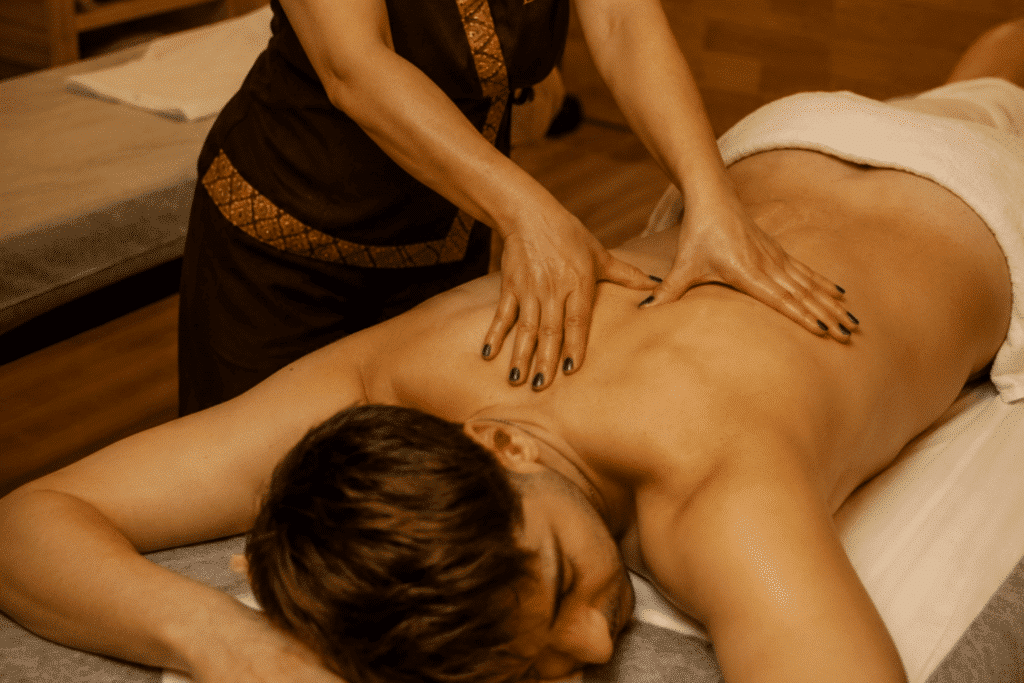
Deep work on the muscles
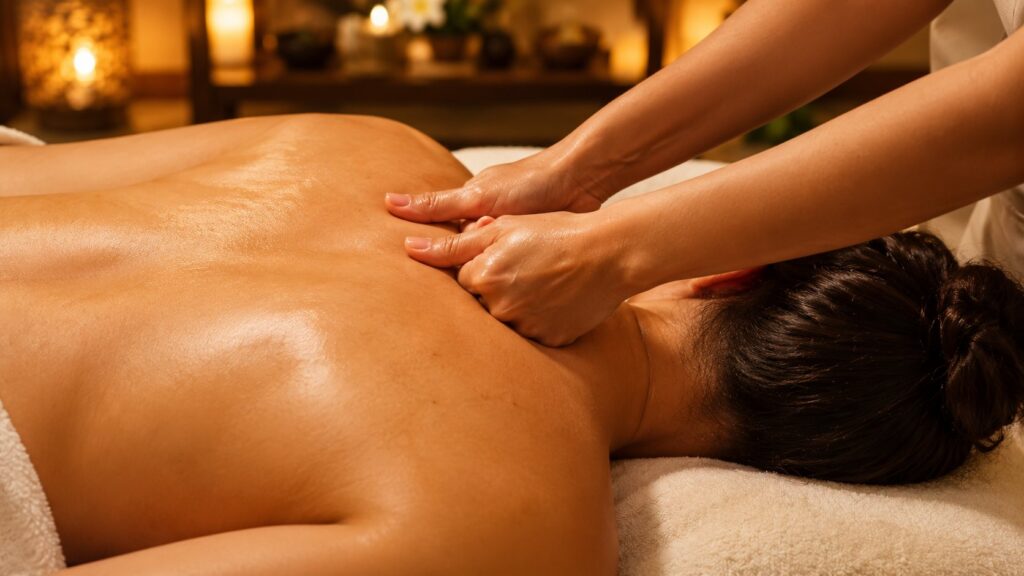
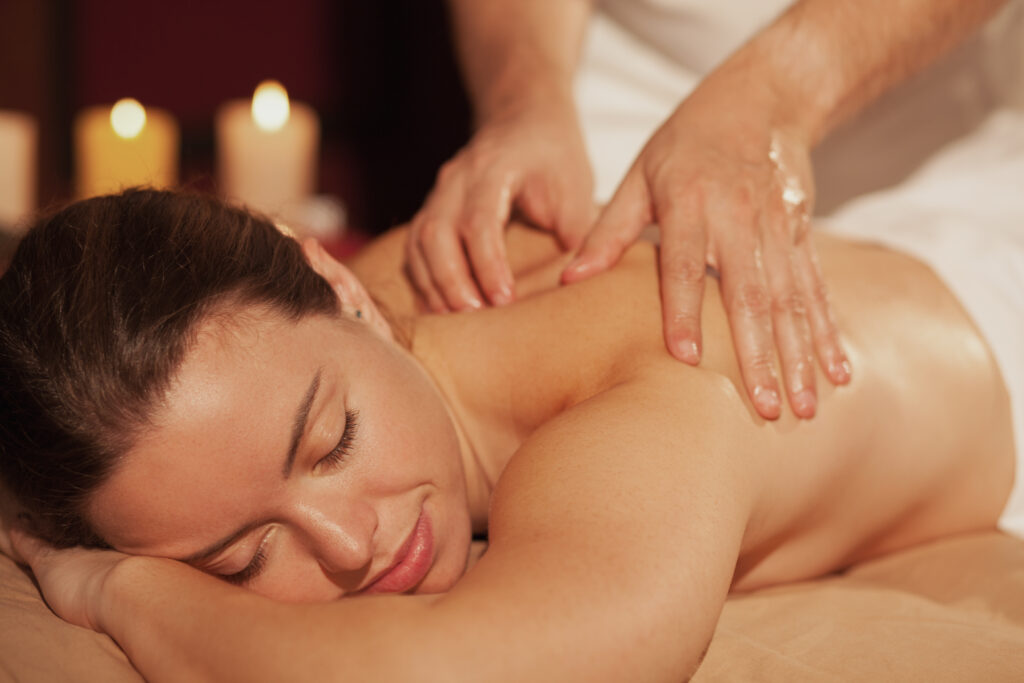
The kneading and deep-pressure techniques of Balinese massage act directly on the densest layers of muscle tissue. Applying sustained pressure to a trigger point triggers a reflex relaxation response: when the muscle senses the pressure, it yields and releases the accumulated tension. This process, repeated throughout the session, gradually releases muscle knots and restores mobility to the affected areas.
Improved blood circulation and muscle oxygenation
A muscle spasm doesn’t just cause pain—it also deprives the muscle of oxygen and nutrients, since the sustained contraction compresses the capillaries in the area. Balinese massage, by stimulating local circulation, restores that flow. The muscle receives oxygen, accumulated waste products are eliminated, and the tissue begins to regain its natural texture. This oxygenation is essential for complete and lasting muscle recovery.
Who Can Benefit Most from Balinese Massage
Although anyone can experience the benefits of Balinese massage, there are certain groups for whom this therapy is particularly recommended.
People experiencing chronic work-related stress or high emotional strain will find that Balinese massage offers a true opportunity to unwind, allowing the nervous system to release tension that has built up over weeks or months. Athletes and people who engage in intense physical activity benefit from its effects on muscle recovery and the prevention of overuse injuries.
Those who suffer from frequent muscle pain—especially in the neck, lower back, and shoulders—may find that Balinese massage for muscle tension is an effective complement to other treatments. And those who are simply looking to improve their overall well-being and cultivate a greater balance between body and mind will find this practice to be a sustainable and deeply restorative ritual.
What does a Balinese massage session feel like?
During the session, the alternation of techniques creates a rich and immersive sensory experience. Gliding movements induce a pleasant drowsiness; deep pressure produces an intensity that, far from being unpleasant, is liberating; and stretching creates a sensation of openness and lightness that spreads throughout the body.
At the end of the session, most people describe a sense of muscular relaxation they haven’t felt in weeks. The body feels lighter, movements are more fluid, and the mind is clearer. It’s common to experience deeper, more restful sleep that night.
In the days that follow, the effects continue to manifest: less morning stiffness, greater stress tolerance, and a more mindful awareness of the body. Balinese massage isn’t just a one-time relief; it’s the start of a recovery process that the body continues to appreciate for days.
Conclusion
Balinese massage offers something that few therapies can: it works simultaneously on the body and mind, releasing physical and emotional tension in a single gesture. Its therapeutic properties make it a valuable tool for those seeking to restore balance in a world that constantly pushes us toward imbalance.
Incorporating it as a regular wellness ritual isn’t a luxury—it’s a conscious choice to take care of yourself. It’s a way to listen to your body before stress becomes the norm and muscle tension becomes a constant companion.
Because well-being can’t be improvised. It is cultivated, session by session, with the same consistency and mindfulness that Balinese massage teaches us to practice.